


There’s a quiet crisis in one of medicine’s most exciting fields. Cell therapy – the science of using living immune cells to fight cancer, autoimmune disease, and other conditions that conventional medicine struggles to treat – has been producing remarkable results in the lab and in early clinical settings.
Patients who had run out of options found new hope; researchers who spent careers chasing these breakthroughs are finally seeing them translate into real treatments. But yet, the therapies are not reaching most of the patients who need them.
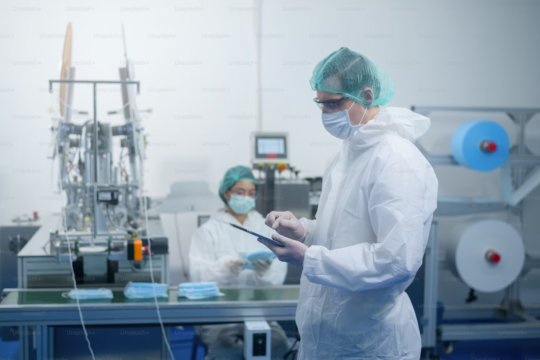
The reason isn’t scientific, but rather industrial. Making immune cells at scale – reliable, affordably, without losing the very properties that make them therapeutically powerful – has remained one of biotechnology’s stubbornest unsolved problems.
Here, the difference between a discovery and a medicine that actually ends up in a patient’s arm is stark.
San Francisco-based biotech firm ImmuneBridge has spent years quietly working on a solution to this imperative. This week, the company announced it is ready to share what it has built.
The problem, up close
When immune cells are grown in a lab, they don’t always behave like researchers need them to. Donor cells vary wildly in quality – some are far more effective against specific diseases than others, and figuring out which is which, quickly and affordably, has long been a major obstacle.
Then, there’s the pluripotency problem: immune stem cells, when cultured over multiple rounds of replication, tend to lose their ability to develop into the specific cell types needed for therapy.
What starts as a powerful, flexible cell gradually becomes something less useful. The result is that most companies can only produce tens of doses per donor at most – not nearly enough to supply therapies at scale that would make them accessible and affordable.
What ImmuneBridge built
ImmuneBridge developed a two-part platform to tackle both problems at once. The first piece is a donor screening system – the first of its kind built specifically around individual diseases rather than general health markers. Using machine learning, it identifies which donors’ cells are most likely to be effective against a particular condition before development even begins.
The second piece is arguably the most novel: a proprietary small molecule that preserves stem cell pluripotency even through repeated rounds of replication. In practical terms, this means cells stay powerful and flexible across the entire manufacturing process.
In fact, the company says it can produce thousands of therapeutic doses from a single donor – a stark contrast to the industry norm. And critically, these same cells can be developed into virtually any immune cell type needed: T cells for cancer, natural killer cells for autoimmune disorders, macrophages for liver fibrosis, neutrophils for severe infections.
Opening the platform
Until now, ImmuneBridge used this platform exclusively for its own internal pipeline. But, in validating the approach, the company has decided it can have a bigger impact by opening it up through co-development partnerships with external organizations, from small biotechs to established pharmaceutical companies which want to build cell therapies without having to solve the manufacturing problem from scratch.
To support this expansion, ImmuneBridge has raised a second seed round of $7.7 million USD, led by NFX and joined by One Way Ventures and LongGame Ventures, among others. The round brings total seed funding to nearly $20 million USD, and marks the largest single investment LongGame Ventures has made to date.
“Manufacturing is the difference between hypotheticals and saving lives,” said Semyon Dukach, founding partner at One Way Ventures.
“ImmuneBridge is putting in place the systems that could make an entire class of therapies affordable and accessible.”
The people driving it
The company has also announced new leadership. Dr. Nina Horowitz has been named CEO – a role she grew into organically. After earning her doctorate from Stanford, she joined ImmuneBridge as head of research, built the donor screening system herself, rose to Chief Scientific Officer, and was promoted to CEO in 2025.
Her motivation is not abstract, but tangible: at eight years old, she was hospitalized with a rare tumor. She recovered, but the experience set the direction of her life’s work.
“Cell therapy has incredible potential to further revolutionize the treatment of cancer and a number of other diseases, but manufacturing has been a huge impediment,” she said. “If you can’t make these therapies reliably and at scale, they won’t reach the people who need them.”
Joining her as Chief Technology Officer is Rui Tostoes, whose career has been devoted to exactly this challenge: designing and validating the manufacturing systems that turn biological breakthroughs into deliverable treatments.
“At ImmuneBridge, we’re finally aligning the biology with the engineering, and we’re seeing true scalability as a result,” he said.
ImmuneBridge is currently working with more than a dozen partners across multiple cell types. The company expects to generate animal efficacy data later this year, with human trials planned to begin in 2028 and a long-term goal of ten therapies in the clinic over the next decade.
Featured image: Courtesy of ImmuneBridge
Disclosure: This article mentions clients of an Espacio portfolio company.