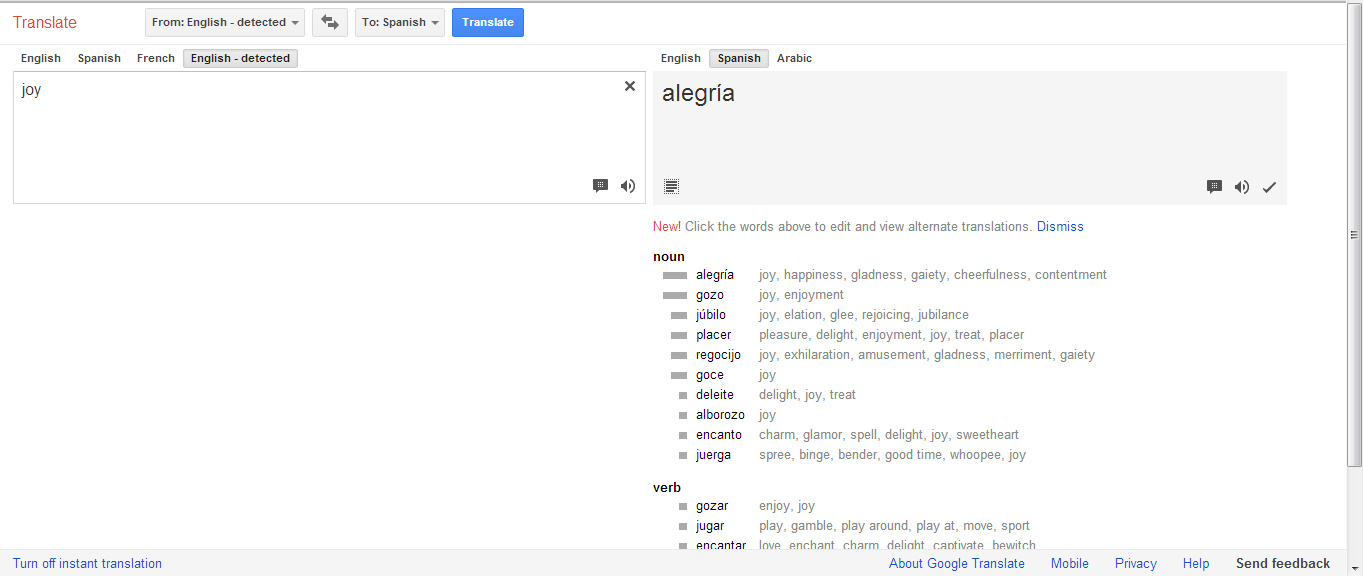
At the moment, the synonyms feature works only for translation into English language, however, the translator shows a group of synonymous translations for viewing a ‘cluster of related words’. The ‘frequencies’ features shows how common or rare a certain translation is. This feature has been put up by calculating how many times users have used or searched a particular translation. “The rarest translations are hidden by default,” Google said, and this should help you find the most accurate translation that you’re looking for. Reverse translations allow you to translate back into the original language, so that you can distinguish “different meanings and reveal subtle differences among similar words.”
The new features are live on Google Translate now.
We built one platform. They experience six. I thought I understood how our data platform…
India’s startup journey has moved quickly. In just the last decade, it has grown into…
The advancement of artificial intelligence from an experimental stage to a significant driving force has…
The Tech Panda takes a look at recent tech launches. Cybersecurity: Commercial Launch of Embedded…
Telecom operators are entering a pivotal phase, where their future role in the AI economy…
In global financial system, while traditional banks once dominated the flow of credit and capital,…
View Comments
Even though google translate has come up with new features, how many of us do use it actively looking for translating words, most of the non geeks still prefer querying the word directly in google rather than use the translate feature. and i doubt if it increases the users by a significant amount for this feature or helps any increase in tangible revenue.
yes but, that's only usefull for few word translation,
to translate a big text with more than 1000 words, it's usefull ^^
(i have recently tried subtitle translation ^_^)
it would be great . . . if google ask the choice to use informal/formal translation