

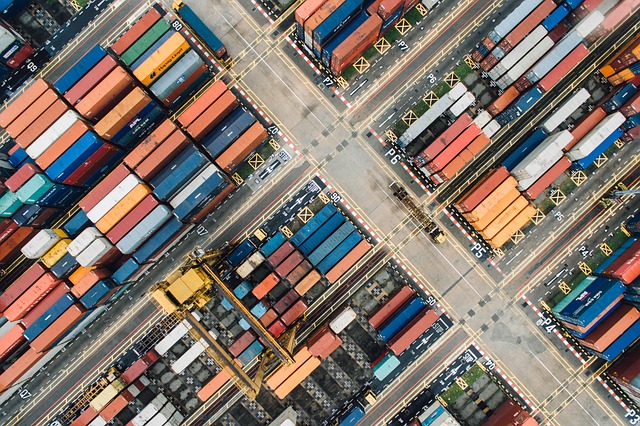


The way businesses perceive supply chain has been reshaped majorly over the last couple of years. What earlier, used to be considered a backend operational function has now emerged as a core pillar of business continuity and competitiveness. Several factors like pandemics, geopolitical tensions, extreme weather conditions, port congestion and fluctuating prices of fuel, global disruptions have exposed vulnerabilities in traditional supply chain models and emphasise the urgent need for resilience.
Intelligence, adaptability and collaboration are going to be the defining factors in Supply Chain moving forwards. Organisations have been incorporating technologies and integrating resilience into their operational strategies and will be in a better position for navigating uncertainty and capitalising on new opportunities.
In today’s time, resilience is not just about recovering from disruptions but about anticipating risks, adapting quickly and maintaining operational continuity under unforeseen conditions. Technology plays a key role in helping organisation in building supply chains that are more agile, transparent and future-ready.
The shift from reactive to predictive supply chain management serves as the most important transformation. Artificial Intelligence (AI) and advanced analytics assist businesses in predicting bottlenecks and generating contingency plans before disruptions escalate. By examining historical trends, market conditions and real-time data, AI-powered systems are useful in creating insights that support faster and more informed decision-making.
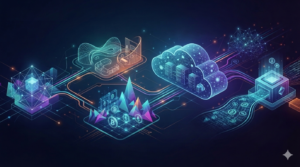
The transformation also places equal importance on visibility along with the supply chain. In the earlier times, the traditional supply chains used to function in silos, with very limited information that was shared between suppliers, logistics providers, warehouses and retailers. Such a lack of transparency further makes it complex to detect delays or disruptions before they’ve already hampered operations. Cloud-based supply chain platforms and management systems provide organisations with end-to-end visibility by enabling stakeholders to effectively monitor inventory levels, shipment movements and supplier performance in real time. This increased transparency is useful for fast response and reducing operational risks.
The Internet of Things (IoT) plays a valuable role in strengthening resilience in supply chains. This can be done by installing sensors in vehicles, warehouses and cargo shipments to keep track of the location, temperature, humidity and handling conditions. For industries that manage products including pharmaceuticals, food products or high-value goods, such monitoring is especially helpful, in reducing losses and delays. During periods of uncertainty, real-time tracking also empowers businesses to optimise routes and improve delivery reliability.
Over the years, another major technological advancement is automation, which is useful for creating stronger supply chain resilience. Automated warehouses, robotic picking systems and intelligent sorting solutions have been minimising the overdependence on manual processes as it improves speed and accuracy. When there is a labour shortage or a rise in demand, automation maintains the service levels without any major disruptions. In logistics and transportation, automated scheduling and route optimisation tools improve fleet utilisation and reduce operational inadequacies.
Cloud computing serves as the backbone of supply chain operations by centralising information and enabling seamless collaboration among multiple stakeholders. The cloud platforms ensure that the decision makers are provided with the latest and accurate information irrespective of their location. This ability is quite vital, during times like the pandemic, when remote work and distributed teams were the norm. Cloud-enabled supply chains provide more efficient communication, quicker response times and better coordination across global networks.
Blockchain technology is another advancement that has been gaining a lot of traction as it enables user trust and traceability through the supply chain ecosystem. Blockchain helps organisations to verify the origin of the products, track supplier compliance, and reduce the risk of fraud by introducing secure and immutable transaction records. This level of transparency is extremely important in industries where the main focus lies on sustainability, ethical sourcing and regulatory compliance are the main priorities.
Organisations have also been able to expand and grow their supplier networks with the help of technology. Completely relying on a single supplier or geographic region can expose one to severe risks during times of geopolitical tensions or natural disasters. The introduction of digital supplier management tools supports companies in evaluating supplier performance, assessing risk exposure and identifying alternative sourcing options. Multi-sourcing strategies supported by technology allow businesses to build greater flexibility into their operations.
For ensuring resilience, technology alone is not gonna suffice. Successful supply chains require a combination of digital advancements, strategic planning and organisational agility. Businesses need to encourage workforce training, establish clear risk management techniques and incorporate strong collaboration across the supply ecosystem. The human element is still a very significant aspect in interpreting data, making strategic decisions and managing complex disruptions.
Another evolving consideration is cybersecurity, with supply chains becoming increasingly digital and interconnected. Organisations have been adopting cloud platforms, IoT devices and automated systems, and protecting sensitive operational data becomes essential. Robust cybersecurity measures, regular audits and employee awareness programmes are necessary for protecting supply chain infrastructure from cyber threats.
Intelligence, adaptability and collaboration are going to be the defining factors in Supply Chain moving forwards. Organisations have been incorporating technologies and integrating resilience into their operational strategies and will be in a better position for navigating uncertainty and capitalising on new opportunities.
In today’s time, resilient supply chains are no longer a competitive advantage but a necessity with disruptions becoming more frequent and complex. Technology offers tools that help in transforming supply chains from vulnerable networks into dynamic ecosystems that are capable of withstanding shocks and sustaining growth in an increasingly unpredictable world.

Guest contributor Nitin Mahipal is the CEO & MD of Mega Pack and Carry, an Indian logistics company specialising in transportation, packaging, relocating, and storage. Any opinions expressed in this article are strictly that of the author.